
THE JOURNEY FROM TISHA B’AV TO ROSH HASHANAH: A TALE OF TWO HOLY DAYS
From Rabbi Hazzan Lipton
Wednesday night, July 22, Jews worldwide observe Tisha B’av. This day traditionally marks a number of calamities in the history of our people. It is the only major Jewish holiday that takes place during the summer—months when we are often engaged in leisure time, and preparations for Rosh Hashanah and Yom Kippur are perhaps the furthest thing from our minds.
What is the connection between Tisha B’av (the Ninth of Av) and Rosh Hashanah? On the surface they may have little in common. Tisha B’av is known as the most melancholy day of the year, while Rosh Hashanah, the time of the sounding of the shofar, reflects our overwhelming joy as we begin the New Year, with its promise of renewal. How could these two possibly be connected?
How can historical events like the destruction of our Holy Temples in Jerusalem—events so far removed from our own personal experiences—continue to hold such powerful memories for us as a people? How do our outward signs of mourning for these and other losses from our historical past propel us forward into our future? How do we internalize and transform the message of Tisha B’av so that it can become meaningful for us, even today?
According to the Mishnah, the fasting and other customs observed on the Ninth of Av are attributed to five different calamitous events that occurred on that day in our history:
· The First Temple, built by King Solomon, was destroyed in 586 BCE, after which the Israelites were sent into Babylonian exile.
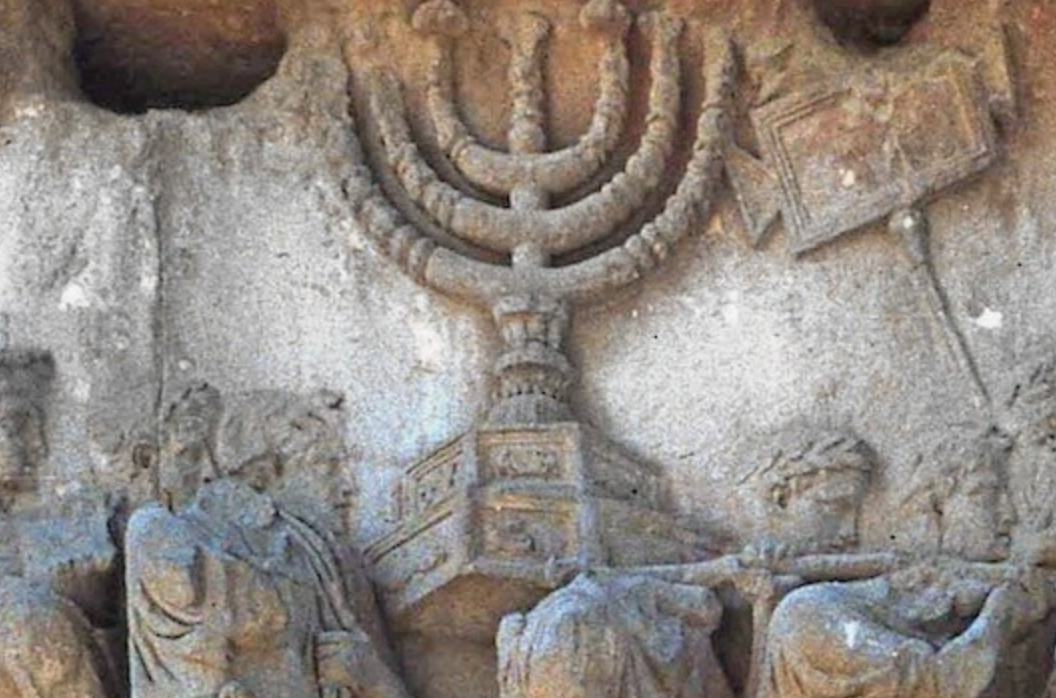
· The Second Temple, built by Ezra and Nehemiah, was destroyed in 70 CE by the Romans, once again sending the Jewish people out of the land.
· In 132 CE the Romans violently ended the Bar Kochbah Revolt.
· In 133 CE the Romans completely destroyed the site of the Temple and its surrounding area.
· The twelve spies, sent out by Moses to scout out Canaan, returned from their mission on that day; all except Joshua and Caleb were filled with a great fear and expressed the people’s lack of faith in God to fulfill His promises.
Subsequent events representing destruction and loss are also associated with this day in history, including the declaration of the First Crusade (1095), the expulsion of the Jews from England (1290), the expulsion of the Jews from Spain (1492), the beginning of WWI (1914), and the mass deportation of Jews from the Warsaw Ghetto (1942), among others. With the many communal losses that we have experienced over the centuries, Tisha B’av becomes a focal point for our pain and sadness over loss of life and endless oppression. It is also, however, out of that expression of grief, that we prepare ourselves for the consolation and affirmation that is to follow.
How does our liturgy prepare us for this time of year and propel us forward, beyond our grief? On Tisha B’av itself, in addition to the traditional practice of fasting (as we do on Yom Kippur) we not only read from Eicha (the Book of Lamentations), but also from a selection of kinnot (liturgical elegies) during our service. Our demeanor during our davening is as if we were in a house of mourning—we sit on the floor or low stools, often read with low lights or by candlelight (or flashlights), and traditionally refrain from greeting others.
However, during the seven weeks that follow Tisha B’av, the starkness of our loss is slowly transformed into words of comfort, allowing us to gradually turn our mourning into joy, and rebuild our spiritual lives so that we are able to approach the New Year with a renewed sense of faith, an appreciation for family and friends, and a desire to bring the community together. It is only natural that after one experiences loss, they look both inward and toward others around them for strength and hope.
As different as Tisha B’av and Rosh Hashanah appear on the surface, if we consider them as opposite sides of the same coin, they may motivate us to express our personal and communal need to begin again in the New Year.
How will you connect these two holy days this year?
Shavuah Tov,
Rabbi Jeremy Lipton